

What Lab Tested Peptides Means at Chainwell Peptide
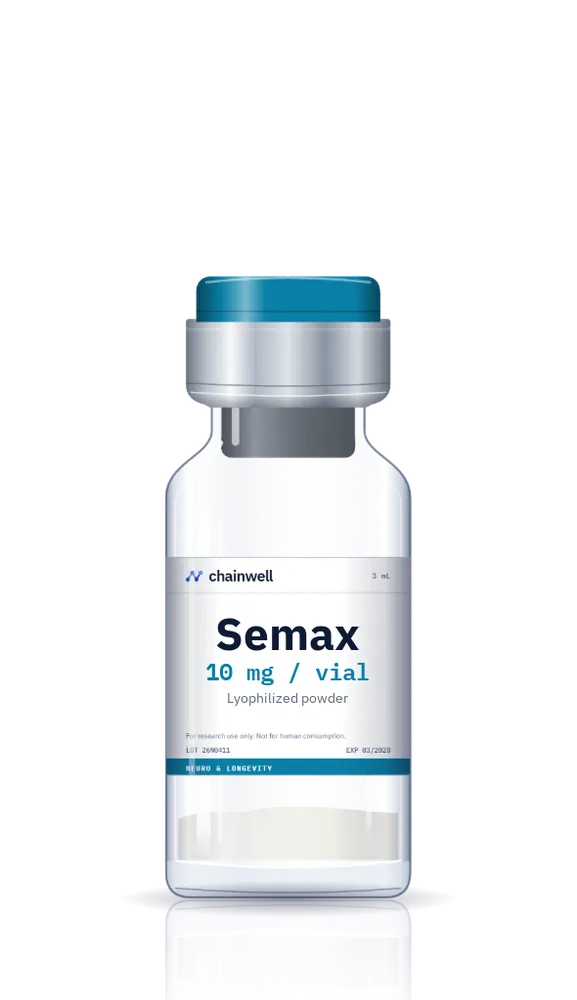
Before a lot goes on sale, samples go to an independent laboratory that we do not own. The laboratory reports two things: whether the compound is the one on the label, and how pure it is. Those findings are recorded on a certificate of analysis for that lot, and the lot number printed on each vial, capsule bottle, spray or pen links back to it.
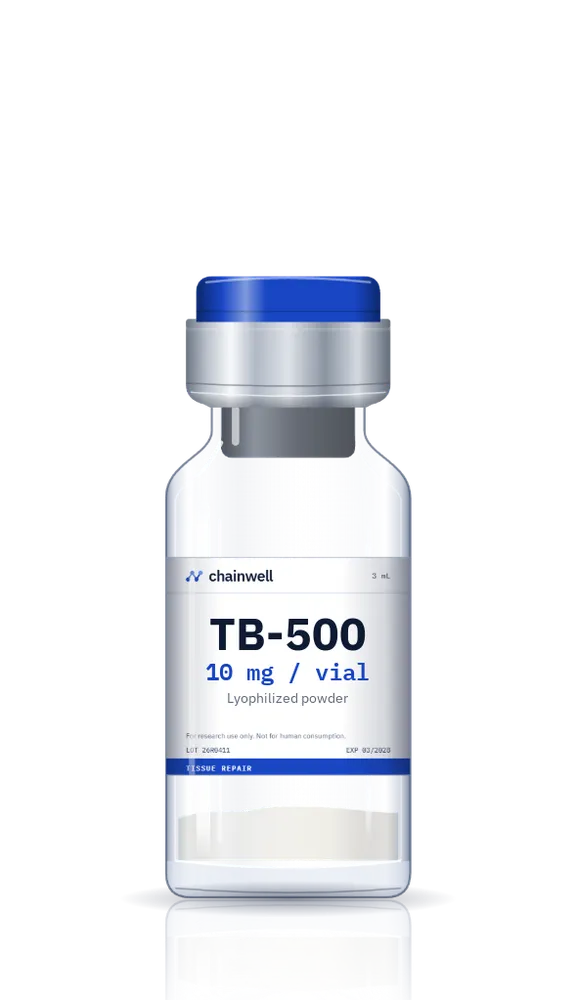
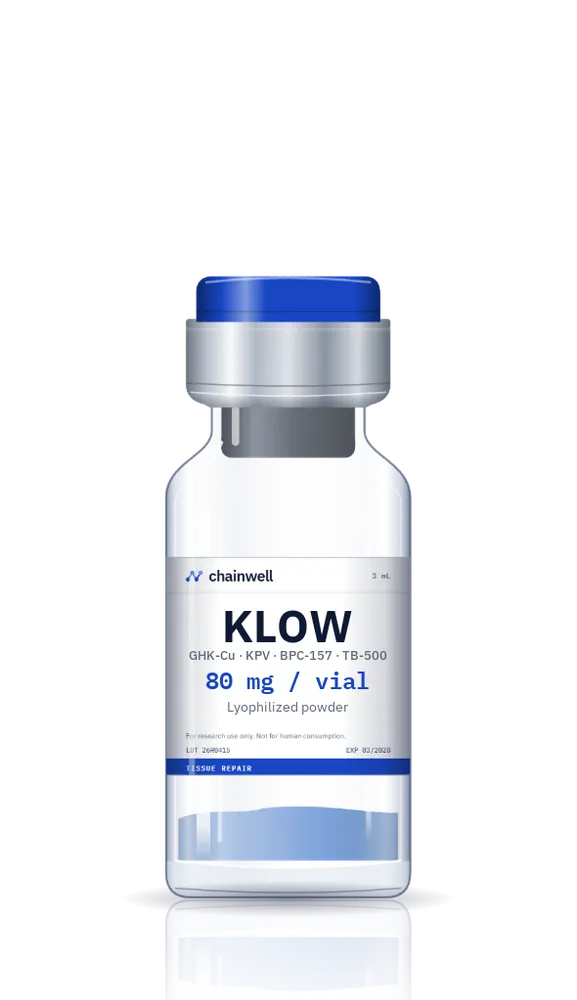
That applies across the range, from single peptides such as TB-500 to multi-component blends and ready-to-use formats. You buy a specific lot, and you can read that lot's certificate, not a sample report from an earlier batch.
Identity by Mass Spectrometry, Purity by HPLC
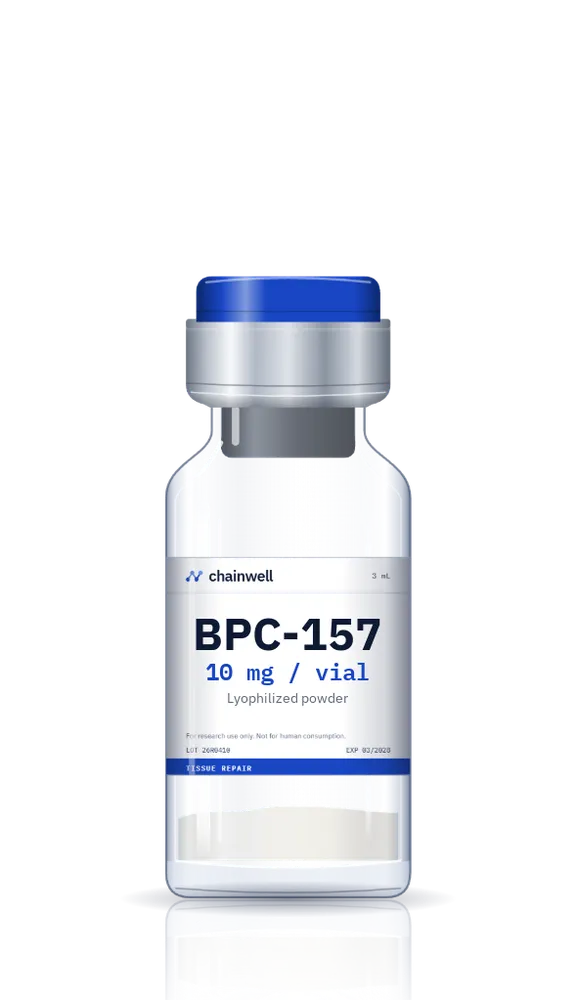
Mass spectrometry answers "is this the right molecule?" It measures the mass of the molecules in the sample and compares the observed mass with the theoretical mass of the sequence. BPC-157 (GEPPPGKPADDAGLV), for example, has a molecular weight of about 1419. A match confirms the peptide chain is the one ordered; a mismatch points to a wrong sequence, a truncated chain or a different compound altogether.
HPLC answers "how much of what is in there is that molecule?" High-performance liquid chromatography separates the components of a sample, and a UV detector draws each one as a peak. Purity is the main peak's share of the total peak area. That makes HPLC tested peptides comparable lot to lot, but the figure has limits: water, salts and counter-ions left from synthesis do not show as peptide peaks, so HPLC purity is not the same as net peptide content by weight.
What Third Party Testing Does Not Cover
Identity and purity are the two measurements that matter most for knowing what is in a vial, but they are not the whole picture. A standard identity and purity certificate does not tell you:
- Sterility. Whether the product is free of viable microorganisms needs a separate microbiological test.
- Endotoxin. Bacterial endotoxin is measured with its own assay, usually the LAL test, and HPLC does not detect it.
- Net peptide content. How many milligrams of peptide sit in the vial, as opposed to salts and moisture, needs a quantitative method.
- Heavy metals and residual solvents. These need dedicated methods and appear only if they were ordered.
Chainwell Peptide certificates report identity and purity. Do not read them as a sterility or endotoxin result, and be wary of any supplier whose certificate claims every test on the list for a single low-cost report.
How to Check a Peptide Certificate of Analysis
- Find the lot number on the label of the vial, bottle, spray or pen, or on the product page before you order.
- Enter it on the COA lookup page.
- Confirm the compound name and fill on the certificate match the label, including every component of a blend.
- Read the observed mass against the expected mass, and the HPLC purity figure alongside its chromatogram.
For a line-by-line walk-through of the report, use our guide on how to read a certificate of analysis. The quality and testing page describes how lots are numbered, packed and released.
Red Flags in a Fake Peptide COA
Certificates are easy to copy, crop and edit, so treat every one as a claim to check. These are the signs we would look for:
- No lot number, or a lot number that does not match the label on the vial.
- No testing laboratory named, or a laboratory that cannot be contacted.
- A purity figure with no chromatogram, or a chromatogram with no peaks other than the main one and a round 100%.
- No mass spectrometry result, so identity was never confirmed.
- The same certificate, with the same date, reused across different compounds or fills.
- Fonts, alignment or dates that change partway down the page, a sign the PDF was edited.
HPLC Tested Peptides Across the Range
The same testing applies to tissue repair peptides, growth hormone secretagogues such as the CJC-1295 and ipamorelin blend, and nootropic peptides such as Semax, in vial, spray, capsule and pen formats. Orders paid before 3pm AEST on a business day are dispatched the same day from within Australia by tracked standard or express post; see the shipping policy. Labs ordering in volume can use the wholesale page.
All products are supplied for laboratory research use only, not for human or veterinary use. Testing documents what is in a lot; it does not make any peptide approved or suitable for use in people.
Frequently asked questions
What does lab tested peptides mean?
+
It means samples from each lot were analysed by a laboratory before sale. At Chainwell Peptide an independent laboratory confirms identity by mass spectrometry and measures purity by HPLC, and the certificate is matched to the lot number on the vial. Ask any supplier which tests were run and by whom.
Do peptides with a COA prove they are sterile?
+
No. A certificate of analysis covers only the tests listed on it. An identity and purity certificate, which is what Chainwell Peptide provides, does not measure sterility or bacterial endotoxin. Those need separate microbiological and LAL tests, and a result should only be assumed if it appears on the certificate.
What is HPLC testing for peptides?
+
HPLC, high-performance liquid chromatography, separates the components of a sample so each shows as a peak. The main peak's share of total peak area is reported as purity. It shows how much of the detected material is the target peptide, but it does not measure water, salts or net peptide content.
How can I tell if a peptide certificate of analysis is fake?
+
Check that the lot number matches your label, that a contactable laboratory is named, and that the report includes both a mass spectrometry result and an HPLC chromatogram. Be wary of round 100% purity, identical certificates across different products, and signs of editing such as shifting fonts or dates.